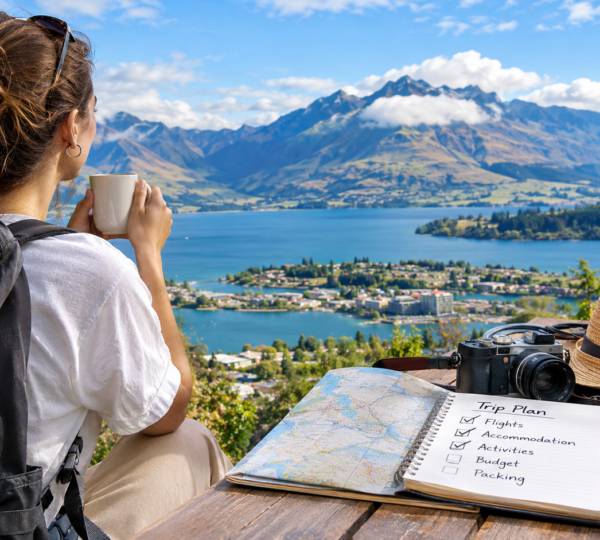
Planning a vacation is exciting, but rising flight prices, hotel costs, restaurant bills, and unexpected expenses can quickly turn a relaxing getaway into a financial burden. Many travelers assume that saving money means staying in cheaper accommodation, skipping activities, or choosing destinations they don’t really want to visit.
But that’s not necessarily true.
With a little planning, you can enjoy a memorable vacation, experience interesting places, eat good food, and still keep your spending under control. The secret is knowing where your money makes the biggest difference and where cutting costs can actually reduce the quality of your trip.
Here are 10 practical ways to save money on your next vacation without feeling like you’re constantly sacrificing.

1. Be Flexible With Your Travel Dates
One of the easiest ways to reduce vacation costs is to avoid traveling on the most expensive days whenever possible. Flights and accommodation prices often change depending on demand, holidays, school breaks, and major events.
Traveling during the middle of the week may sometimes cost less than leaving on a Friday or Saturday. Similarly, visiting a popular destination outside its busiest season can help you save on flights, hotels, and activities.
Instead of choosing a specific departure date immediately, compare several possible dates. Even changing your trip by a few days can sometimes make a noticeable difference.
If your schedule allows flexibility, consider traveling during shoulder season—the period between the busiest tourist season and the quieter off-season. You may still enjoy pleasant weather, fewer crowds, and more reasonable prices.
2. Compare Flights Before Booking
Airfare can consume a large portion of your vacation budget, especially when traveling with family. Before booking, compare prices from multiple airlines and check different departure times, airports, and routes.
Flight comparison websites can help you quickly identify available options, but remember that the cheapest ticket isn’t always the best value.
Check whether the fare includes:
- Checked baggage
- Carry-on luggage
- Seat selection
- Meals or refreshments
- Changes or cancellation flexibility
A low-cost ticket may become considerably more expensive after adding baggage fees, seat charges, and other extras.
Consider setting price alerts for routes you are interested in. This allows you to monitor price changes instead of repeatedly checking the same flights every day.
3. Choose Accommodation Based on Location
Choosing the cheapest hotel available can sometimes cost more in the long run. A hotel far away from the attractions you want to visit may require expensive taxis, additional transportation, and extra travel time.
Before booking accommodation, look at its location on a map and calculate how much you might spend traveling to restaurants, shopping areas, beaches, tourist attractions, or public transportation stations.
A hotel that costs $20 more per night but is close to the places you plan to visit could actually save you money.
Consider accommodation options such as:
- Hotels near public transportation
- Family apartments with kitchen facilities
- Guesthouses in convenient neighborhoods
- Accommodation offering complimentary breakfast
- Hotels with free parking if you are renting a vehicle
Think about the total cost of staying somewhere, not simply the price shown on the booking page.
4. Book Some Activities in Advance
Popular attractions, guided tours, theme parks, and special experiences can become expensive, particularly during peak travel periods.
Research the activities you genuinely want to experience before leaving home. Some attractions offer discounted online tickets, early booking prices, combination passes, or special packages.
Booking in advance can also help you avoid spending money impulsively after arriving at a destination.
However, don’t schedule every hour of your vacation. Leaving some free time allows you to discover local places, walk around interesting neighborhoods, and enjoy unexpected experiences without paying for an organized activity every day.
A balanced itinerary usually combines a few paid attractions with plenty of free or inexpensive experiences.
5. Take Advantage of Free Experiences
Some of the most memorable vacation experiences cost little or nothing. Many destinations offer beautiful parks, public beaches, walking trails, historic neighborhoods, local markets, museums with free admission days, and scenic viewpoints.
Instead of spending money on an activity every morning and afternoon, build a few free experiences into your itinerary.
For example, you might spend one day visiting a paid attraction and another exploring the city’s streets, relaxing at a beach, watching the sunset, or visiting a local park.
Free activities can also give you a better understanding of the destination’s everyday culture. Exploring local neighborhoods, observing traditions, and discovering small cafés or markets can often be more interesting than visiting several expensive tourist attractions in a row.
Before your trip, search for free activities in the destination and save their locations on your phone.
6. Spend Less on Food Without Missing Local Cuisine
Food is an important part of travel, and trying local dishes can be one of the most enjoyable aspects of a vacation. However, eating every meal at tourist-focused restaurants can significantly increase your daily spending.
You don’t have to avoid restaurants to save money. Instead, choose where and when you spend more carefully.
Here are a few ways to control food expenses:
- Choose accommodation with breakfast included when the price makes sense.
- Visit local restaurants away from the busiest tourist streets.
- Try lunch specials, which may be cheaper than dinner menus.
- Buy snacks and drinks from supermarkets instead of tourist shops.
- Choose accommodation with a refrigerator or kitchen for simple meals.
- Plan a few special dining experiences rather than expensive meals every day.
Local markets and neighborhood restaurants can offer excellent food at reasonable prices. Researching popular local dishes before traveling may also help you find authentic experiences that fit your budget.
7. Avoid Overpacking and Extra Baggage Fees
Packing too much can create unnecessary expenses. Some airlines charge additional fees for checked baggage, overweight luggage, and certain carry-on items.
Travelers who pack efficiently may be able to avoid some of these costs while making airport transfers and hotel check-ins easier.
Before packing, check the baggage allowance for every flight on your itinerary. Different airlines may have different rules, especially if your journey includes connecting flights operated by separate carriers.
Choose clothing that can be mixed and matched. Neutral colors, comfortable shoes, and lightweight layers can help you create several outfits without carrying an unnecessarily large suitcase.
Make a packing list and avoid bringing items that you probably won’t use. Leaving extra space in your luggage can also be useful if you plan to purchase souvenirs during your trip.
8. Use Public Transportation When Practical
Transportation costs can become surprisingly expensive when travelers rely on taxis or private rides for every journey.
Depending on your destination, buses, trains, metro systems, and airport transportation services may provide convenient and affordable alternatives.
Before arriving, research whether the destination offers:
- Daily or weekly transportation passes
- Airport express buses
- Tourist travel cards
- Discounted family tickets
- Reliable train or metro connections
Public transportation can also make it easier to experience a destination like a local. However, consider safety, luggage, travel time, and accessibility before choosing an option.
In some locations, renting a car may be more economical for families visiting multiple attractions. Compare the full cost of rental, fuel, parking, insurance, and tolls before deciding.
9. Set a Daily Vacation Budget
Having a total vacation budget is useful, but breaking it into daily spending limits can make it easier to control your expenses.
After paying for flights and accommodation, estimate how much money you can spend each day on food, transportation, activities, shopping, and entertainment.
For example, you could create a simple daily spending plan that includes:
- Breakfast and meals
- Local transportation
- Tickets and activities
- Snacks and drinks
- Shopping and souvenirs
You don’t need to follow the budget perfectly every day. Some days will cost more than others. The goal is to understand where your money is going and avoid spending more than you intended throughout the trip.
Use a mobile budgeting app, spreadsheet, or simple notes on your phone to track your spending. Checking your expenses briefly each evening can help you make adjustments for the following day.
10. Keep Money Aside for Unexpected Expenses
One of the biggest mistakes travelers make is spending their entire budget on flights, hotels, and activities without leaving anything for unexpected costs.
Travel plans can change. You may need additional transportation, replace a lost item, purchase medication, pay for an unexpected meal, or deal with a flight delay.
Setting aside a separate emergency fund for your vacation can help prevent these situations from becoming stressful.
Depending on your destination, trip length, and financial circumstances, you may want to reserve a portion of your travel budget for unexpected expenses rather than allocating every dollar to planned activities.
It is also worth reviewing travel insurance options, especially when your trip involves expensive flights, prepaid accommodation, international travel, or medical risks. Carefully check the policy limits, exclusions, and covered circumstances before purchasing.
Bonus Tip: Plan Your Vacation Around What You Actually Enjoy
Saving money becomes much easier when you stop trying to do everything.
Some travelers love museums, others prefer beaches, shopping, nature, food, or adventure activities. Spending money on experiences that genuinely interest you is often more satisfying than paying for attractions simply because they appear on a popular travel list.
Before planning your itinerary, choose two or three experiences that are especially important to you. Make those your priorities, then organize the rest of your vacation around inexpensive activities and relaxing moments.
This approach helps you avoid overplanning, unnecessary spending, and the feeling that you need to rush from one attraction to another.
Final Thoughts
A great vacation doesn’t have to be expensive. The most enjoyable trips are often the ones where travelers make thoughtful decisions, leave room for flexibility, and focus on experiences rather than constant spending.
By comparing flights, choosing accommodation carefully, exploring free attractions, eating locally, using convenient transportation, and setting a realistic budget, you can make your travel money go much further.
Planning ahead doesn’t mean removing the fun from your vacation. It gives you more freedom to enjoy your trip without constantly worrying about how much everything costs.
With the right planning, you can spend less, experience more, and return home with wonderful memories instead of unnecessary financial stress.