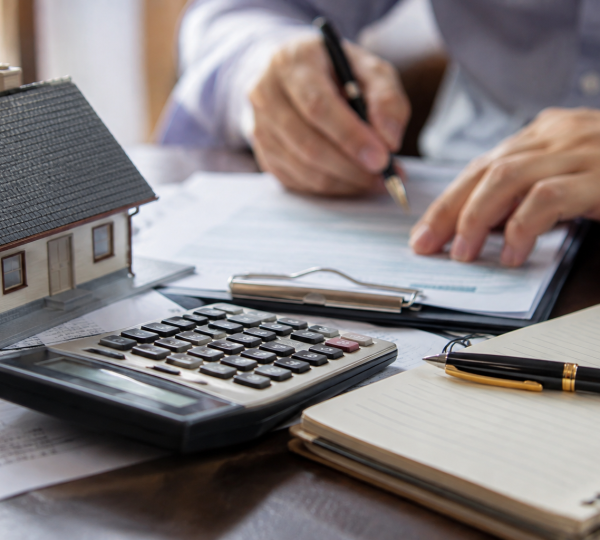
Buying a home is one of the largest financial commitments many people make. A property can provide a place to live and may become a valuable long-term asset, but not every house is necessarily a good financial decision.
A property that looks attractive during a viewing may come with expensive repairs, an inconvenient location, or other issues that could make it harder to sell in the future.
No single warning sign automatically means you should walk away from a property. However, these five factors deserve careful attention before you commit your money.
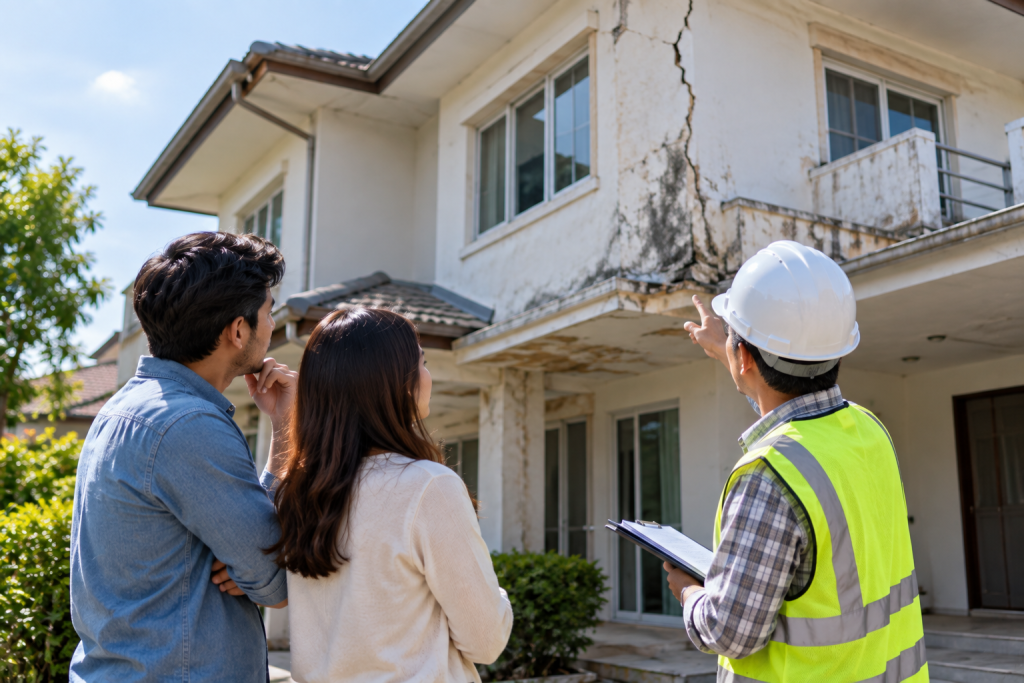
1. The Property Needs Major Repairs
A house that needs some cosmetic work is not necessarily a problem. Fresh paint, new flooring, or updated fixtures can often be handled over time.
Major structural or mechanical problems are a different matter.
Issues involving the foundation, roof, plumbing, electrical system, drainage, or other essential components can potentially result in substantial repair bills. If several major systems need attention at the same time, the total cost can quickly exceed your original budget.
Before buying, consider arranging a professional property inspection where appropriate. Ask about the age and condition of major systems and find out whether significant repairs or replacements may be needed soon.
A lower purchase price does not necessarily make a property a good deal if the cost of bringing it up to a reasonable standard is very high.
2. The Location Has Limited Demand
Location is one of the most important factors affecting a property’s long-term appeal.
A beautiful house may still be difficult to sell if it is far from important services, has poor transportation access, or is located in an area with limited demand.
Before buying, research the surrounding neighborhood rather than focusing only on the property itself. Consider access to schools, workplaces, shopping areas, healthcare, public transportation, and major roads.
It can also be useful to visit the area at different times of the day. Traffic, noise, parking, and general activity can change considerably between mornings, evenings, and weekends.
Remember that neighborhood conditions can change over time. Research planned developments and infrastructure projects where information is available.
3. The Price Seems High Compared With Similar Properties
One of the clearest warning signs is a property whose asking price appears significantly higher than comparable homes in the same area.
It is important to compare similar properties rather than relying on the seller’s asking price as proof of value.
Look at homes with similar characteristics, such as location, size, age, condition, number of bedrooms, land area, and available amenities. Depending on your market, recent completed sales may provide more useful information than properties that are simply listed for sale.
A property can sometimes justify a higher price because of superior construction, renovations, a larger plot, or a particularly desirable location. But you should understand exactly what you are paying extra for.
If the price seems difficult to justify compared with similar properties, take the time to investigate before making an offer.
4. The Property Has Unusually High Ongoing Costs
The purchase price is only part of the cost of owning a home.
A property may have high maintenance requirements, expensive utilities, community fees, insurance costs, property taxes, or other recurring expenses. These costs can have a significant effect on the affordability of the home over time.
For example, a large house may require more money for cooling, heating, landscaping, cleaning, and general maintenance. An older property may also require more frequent repairs.
Before buying, try to estimate the property’s total monthly and annual ownership costs. Ask about previous utility expenses where possible and find out about any recurring community or building charges.
A home that appears affordable based on its mortgage payment alone may become much more expensive once all ongoing expenses are included.
5. There Are Legal or Property Documentation Concerns
Property documentation deserves just as much attention as the physical condition of the house.
Depending on the location and type of property, buyers may need to verify ownership records, boundaries, permits, planning approvals, title information, outstanding obligations, or other legal details.
Problems with documentation can potentially delay a transaction or create complications after the purchase.
Do not rely solely on verbal assurances from a seller or agent. Have the relevant documents reviewed by an appropriate qualified professional before completing a major property transaction.
If there is uncertainty about ownership, boundaries, building approvals, access rights, or other important legal matters, resolve those questions before committing to the purchase.
Other Questions to Ask Before Buying
Even when a property appears attractive, ask yourself a few practical questions:
- Why is the owner selling the property?
- How long has the property been on the market?
- Have there been recent price reductions?
- What major repairs have been completed?
- What repairs may be needed soon?
- How much does the property cost to maintain?
- Are there any unusual fees or restrictions?
- Would the property appeal to other buyers if I needed to sell?
These questions do not automatically identify a bad property, but they can help you investigate areas that deserve closer attention.
Don’t Confuse a Bad Investment With an Unpopular Property
A property does not have to increase dramatically in value to be a worthwhile purchase. For many homeowners, the primary benefit is having a place to live that fits their needs and budget.
Likewise, a property with a few imperfections is not automatically a bad investment. Some issues can be addressed through renovations, repairs, or negotiation over the purchase price.
The key is understanding the complete financial picture before making a decision.
The Bottom Line
A house can look perfect during a quick viewing and still present financial challenges after you become the owner. Major repair requirements, limited location demand, an unusually high price, expensive ongoing costs, and documentation concerns are all worth investigating carefully.
Before buying, inspect the property, research comparable homes, investigate the neighborhood, calculate the total cost of ownership, and review the relevant documentation.
Most importantly, avoid making a decision based solely on emotion. A home can be appealing while still being outside your budget or unsuitable for your long-term plans.
Taking extra time to research a property before signing can help you understand both its potential benefits and its possible risks.
This article is for general informational purposes only and should not be considered financial, legal, tax, or real estate advice. Property values, costs, regulations, and market conditions vary by location and individual circumstances. Consider consulting qualified professionals before making a major property purchase.