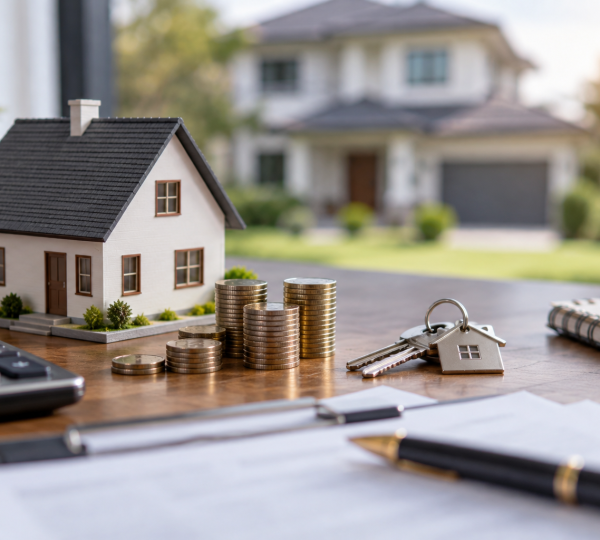
Buying a home is a major financial decision, and it is easy to get caught up in the excitement of finding a property you like. But before making an offer, it is important to look beyond the appearance of the house and consider the financial and practical details that could affect you for years.
A property that looks perfect during a viewing may come with unexpected expenses, maintenance issues, or financial commitments. Taking time to investigate the property before buying can help you make a more informed decision.
Here are seven important things to check before buying a home.

1. Check the Total Cost, Not Just the Asking Price
The advertised price is only one part of the cost of buying a home. Buyers may also have to budget for taxes, legal fees, inspections, insurance, registration costs, moving expenses, and other transaction-related charges.
If you are using a mortgage, remember that interest can add significantly to the amount you eventually pay.
Before making an offer, create a complete budget that includes both the upfront costs and ongoing expenses of owning the property.
Ask yourself whether the purchase would still be comfortable if maintenance costs or other household expenses were higher than expected.
2. Inspect the Property Carefully
A house can look great during a short viewing while hiding problems that may be expensive to repair.
Pay attention to the condition of the roof, walls, floors, windows, doors, plumbing, electrical systems, and other major components. Look for signs of dampness, water damage, cracks, poor drainage, or previous repairs.
For a significant purchase, consider arranging a professional inspection where appropriate. An experienced inspector may identify issues that are difficult for an ordinary buyer to spot.
It is generally better to discover a potential problem before completing the purchase rather than after moving in.
3. Research the Location
You are not just buying a house—you are also buying its location.
Research the surrounding neighborhood and consider factors such as access to schools, hospitals, shops, public transportation, workplaces, and other services that matter to your household.
Visit the area at different times of the day if possible. A neighborhood that seems quiet during a weekend viewing could have significantly different traffic, noise, or activity during weekday mornings and evenings.
Also consider future development plans in the surrounding area. New roads, commercial developments, construction projects, or other changes could affect the property’s environment and convenience.
4. Understand the Property’s History
Before buying, find out as much as you can about the property’s history.
Depending on local records and regulations, you may be able to check previous sales, ownership information, permits, renovations, or other property records.
Ask the seller or agent about major repairs and improvements that have been carried out. If the property has undergone significant renovations, make sure the necessary approvals or permits were obtained where required.
Understanding the property’s history can help you identify potential issues before you commit to the purchase.
5. Check Your Mortgage and Financing Options
If you need financing, do not wait until you find your dream home to start thinking about the mortgage.
Compare available loan options and look beyond the advertised interest rate. Consider the repayment period, fees, monthly payment, interest structure, and rules concerning early repayment.
A longer loan term may reduce the monthly payment but could result in more interest being paid over time. A variable interest rate may also change depending on the terms of the loan.
Make sure you understand how much you can comfortably afford rather than simply borrowing the maximum amount a lender is willing to approve.
6. Look at Future Maintenance and Running Costs
The cost of owning a home does not end when you receive the keys.
Older properties may require more frequent repairs, while larger homes can have higher utility and maintenance costs. Roof repairs, plumbing problems, electrical work, appliances, air-conditioning systems, landscaping, and other maintenance can all require additional money.
Ask about the age and condition of major systems and equipment before buying.
It is also a good idea to keep an emergency fund for unexpected home repairs. Having savings available can reduce the need to rely on expensive borrowing when something goes wrong.
7. Think About Your Long-Term Plans
A home may be suitable for your needs today but become less practical in a few years.
Think about how long you expect to live in the property and whether your circumstances could change. Your household size, work location, transportation needs, or financial situation may change over time.
Consider whether the property has enough space for your expected needs and whether the location will continue to work for you.
If you might need to sell the property in the future, consider how desirable the location and property features may be to other buyers. No property is guaranteed to increase in value, so it is important not to base your decision solely on expectations of future price growth.
A Simple Checklist Before You Buy
Before making a final decision, take a moment to review these questions:
- Can I comfortably afford the total monthly housing costs?
- Have I calculated the additional costs beyond the purchase price?
- Has the property been properly inspected?
- Have I researched the neighborhood?
- Do I understand the property’s history and legal status?
- Have I compared my financing options?
- Will this property still meet my needs several years from now?
The Bottom Line
Buying a home is about much more than finding a property that looks attractive. The condition of the house, location, financing, ongoing costs, property history, and your own long-term plans all deserve careful consideration.
Take your time, ask questions, compare your options, and avoid making a decision simply because a property looks perfect during the first viewing.
A few hours of research before buying could help you identify potential problems, understand the true cost of ownership, and choose a property that fits your financial situation and future needs.
This article is for general informational purposes only and should not be considered financial, legal, tax, or real estate advice. Property costs, regulations, mortgage terms, and market conditions vary by location. Consider consulting qualified professionals before making a major property purchase.