
A good trip can quickly become stressful when small details are overlooked before leaving home. From checking your travel documents to making sure your phone is ready, a little preparation can make the journey much easier.
Whether you’re heading away for a weekend or planning a longer vacation, these seven simple steps are worth completing before you leave.
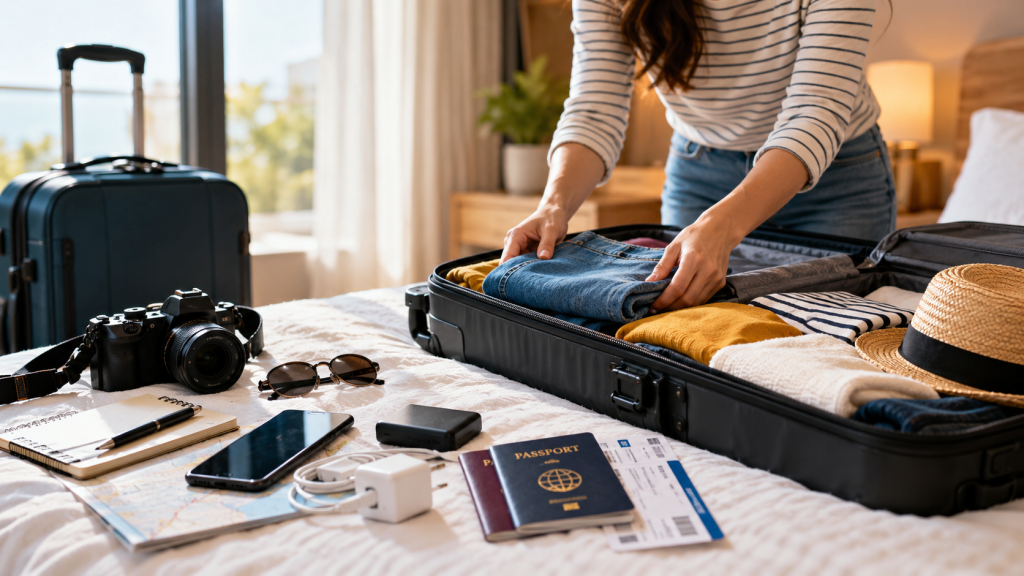
1. Check Your Travel Documents
Before you leave, make sure you have all the documents you’ll need for the trip.
Check your passport’s expiration date, especially if you’re traveling internationally. Some countries require your passport to remain valid for several months beyond your planned arrival or departure date.
Also check whether you need a visa, travel authorization, vaccination documentation, or other entry requirements for your destination.
It’s a good idea to keep digital copies of important documents such as your passport, identification, travel insurance information, and booking confirmations. Store them securely on your phone or in a cloud account so they can be accessed if the originals are misplaced.
2. Confirm Your Flights and Reservations
Don’t assume that every reservation is exactly as you remember it.
A few days before departure, check your flight details, departure time, terminal, baggage allowance, and seat assignment. Airlines can sometimes change schedules or gates, so checking the latest information can help you avoid surprises.
You should also confirm your hotel or accommodation booking. Check the address, check-in time, cancellation policy, and any instructions provided by the property.
If you’ve booked airport transfers, rental cars, tours, or other activities, review those reservations as well.
Having all your confirmation numbers in one easily accessible place can make the first day of your trip much smoother.
3. Check the Weather at Your Destination
Checking the weather before packing can prevent you from bringing the wrong clothes.
Look at the forecast for the first few days of your trip and consider the typical conditions for the destination. Even if the forecast looks warm, evenings may be cooler than expected. Rain can also affect what you need to pack.
Think beyond clothing, too. Depending on the destination, you might need an umbrella, comfortable walking shoes, sunscreen, a light jacket, or other useful items.
If you’re traveling between multiple destinations, check the weather for each location rather than relying on a single forecast.
4. Prepare Your Phone and Important Electronics
Your phone can become one of your most useful travel tools, so make sure it’s ready before you leave.
Download maps for areas where you may not have reliable internet access. Save important booking information, addresses, transportation details, and emergency contacts where you can easily find them.
Don’t forget to charge your phone, smartwatch, headphones, and other essential devices.
If you’re traveling internationally, check whether your mobile plan includes roaming. Depending on your destination, you may want to arrange an eSIM, local SIM card, or suitable data plan before leaving.
A universal travel adapter can also be useful if the electrical outlets at your destination are different from those at home.
5. Organize Your Money and Payment Options
It’s useful to have more than one way to pay while traveling.
Before leaving, check that your credit or debit cards are working and that they won’t expire during your trip. If your bank requires you to notify them about international travel, take care of that before departure.
It’s also worth checking the local currency and having a small amount of cash available when you arrive. Cash can be useful for transportation, small purchases, tips, or places that don’t accept cards.
Avoid keeping all your money and cards in one place. Having a backup payment method stored separately can be helpful if your wallet is lost or stolen.
6. Make Your Home Ready Before You Leave
Travel preparation isn’t only about what happens at your destination. Your home also needs attention before you go.
Check that doors and windows are properly locked and make sure unnecessary electrical appliances are switched off. If you’re going away for an extended period, consider what needs to happen with mail, deliveries, plants, pets, and other household responsibilities.
You may also want to adjust your lights or other home systems so the house doesn’t appear completely unattended.
If someone you trust is looking after your home, give them the information they’ll need, including emergency contacts and instructions for anything that requires attention.
Taking care of these details before leaving can help you enjoy your trip without constantly worrying about what’s happening at home.
7. Do a Final Packing and Checklist Review
The night before your trip, take a few minutes to go through everything one final time.
Check your passport, wallet, phone, chargers, medications, travel documents, keys, and other essentials. Then review your luggage to make sure you haven’t forgotten anything important.
It’s also worth checking your baggage weight if you’re flying. An overweight bag can lead to unexpected fees or require you to rearrange your luggage at the airport.
Finally, make a simple checklist of the things you’ll need to do before walking out the door. This might include turning off appliances, checking windows, taking out the trash, locking doors, and confirming that you have everything you need.
A Few Minutes of Preparation Can Make a Big Difference
You don’t need an elaborate travel routine to prepare properly. Checking your documents, confirming reservations, looking at the weather, preparing your electronics, organizing your money, securing your home, and completing a final packing check can prevent many common problems.
The goal isn’t to plan every minute of your vacation. It’s simply to take care of the important details before you leave so you can spend more time enjoying the trip once you’re on your way.
A few extra minutes of preparation at home can often save you considerable stress later.